
Contents
- 🌍 The Living Library: Defining Biodiversity
- 📈 The Uneven Distribution: Tropics as Biodiversity Hotspots
- 🧬 Levels of Life: From Genes to Ecosystems
- 📉 The Biodiversity Crisis: Extinction Rates and Human Impact
- 🌳 Ecosystem Services: The Indispensable Gifts of Diversity
- 💡 Conservation Strategies: Protecting Our Natural Heritage
- 🔬 Measuring Life: Tools for Biodiversity Assessment
- 🌐 Biodiversity and Climate Change: A Dangerous Interplay
- Frequently Asked Questions
- Related Topics
Overview
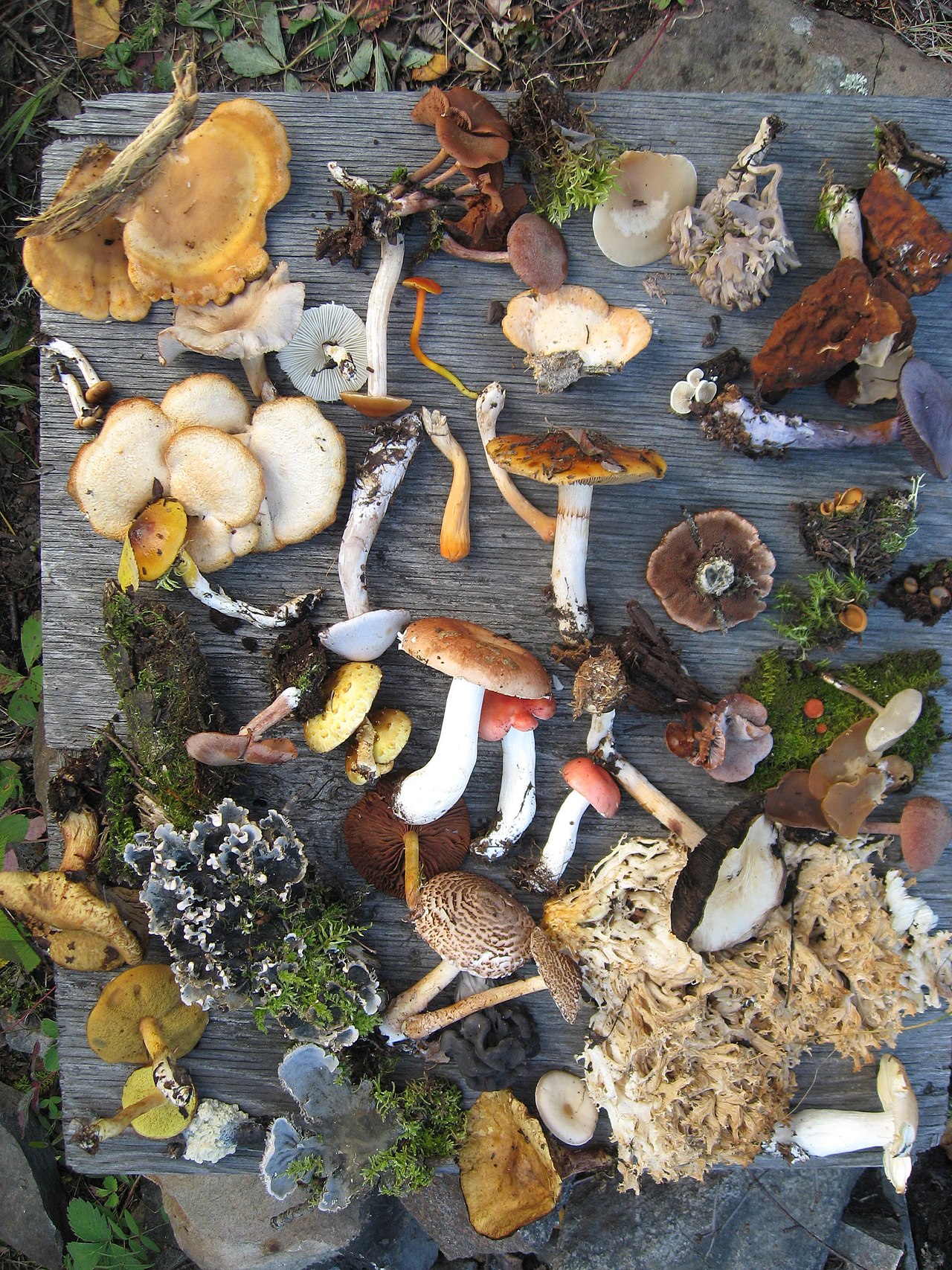
Biodiversity, at its most fundamental, is the sheer variety of life on Earth. It's not just about counting species; it encompasses the intricate web of genetic differences within populations, the multitude of species inhabiting an area, the diverse array of ecosystems, and the evolutionary relationships that connect all life forms. This variability is the engine of resilience, allowing life to adapt and persist through environmental shifts. Without this rich tapestry, the planet's ability to support life, including our own, would be severely compromised. Understanding biodiversity is the first step in appreciating its profound importance.
📈 The Uneven Distribution: Tropics as Biodiversity Hotspots
The distribution of life's variety is far from uniform. A striking phenomenon is the concentration of biodiversity in tropical regions, particularly near the equator. Despite tropical forests covering less than 20% of the Earth's land surface, they harbor an astonishing 50% of all known species. This pattern, known as the latitudinal diversity gradient, is observed across both terrestrial and marine environments. Factors like stable, warm climates and high primary productivity in these equatorial zones create ideal conditions for speciation and the flourishing of diverse life forms.
🧬 Levels of Life: From Genes to Ecosystems
Biodiversity operates on multiple scales, each crucial for understanding the whole. At the genetic level, it's the variation within a single species, providing the raw material for adaptation. Species diversity refers to the number and abundance of different species in a given area. Ecosystem diversity highlights the variety of habitats, biological communities, and ecological processes. Phylogenetic diversity, a more recent concept, considers the evolutionary history represented by different lineages. Each level offers a unique perspective on the richness of life and its interconnectedness.
📉 The Biodiversity Crisis: Extinction Rates and Human Impact
We are currently facing an unprecedented biodiversity crisis, characterized by extinction rates far exceeding natural background levels. Human activities—habitat destruction, pollution, overexploitation, and the introduction of invasive species—are the primary drivers. The loss of species and ecosystems is not merely an ecological tragedy; it has profound implications for human well-being, undermining the very foundations of our societies and economies. The scale of this crisis demands urgent and transformative action.
🌳 Ecosystem Services: The Indispensable Gifts of Diversity
The myriad forms of life provide essential ecosystem services that are often taken for granted. These include the purification of air and water, pollination of crops, regulation of climate, decomposition of waste, and the provision of food and medicine. Healthy, diverse ecosystems are more stable and productive, offering a buffer against environmental shocks. The economic value of these services is immense, though often difficult to quantify, underscoring our dependence on a biodiverse planet.
💡 Conservation Strategies: Protecting Our Natural Heritage
Protecting biodiversity requires a multi-pronged approach. Conservation biology employs strategies such as establishing protected areas, restoring degraded habitats, managing invasive species, and promoting sustainable resource use. International agreements like the Convention on Biological Diversity aim to coordinate global efforts. However, effective conservation also hinges on public awareness, policy changes, and the integration of biodiversity considerations into all sectors of human activity, from agriculture to urban planning.
🔬 Measuring Life: Tools for Biodiversity Assessment
Assessing and monitoring biodiversity is a complex scientific endeavor. Researchers employ a range of tools, from traditional field surveys and specimen collection to cutting-edge technologies like eDNA analysis and remote sensing. Understanding species distribution, population sizes, and genetic diversity is vital for identifying conservation priorities and evaluating the effectiveness of management interventions. These data form the bedrock of informed decision-making in conservation efforts.
🌐 Biodiversity and Climate Change: A Dangerous Interplay
The relationship between biodiversity and climate change is a critical concern. Rising global temperatures, altered precipitation patterns, and extreme weather events directly threaten species and ecosystems, often exacerbating existing pressures. Conversely, healthy ecosystems, such as forests and wetlands, play a crucial role in mitigating climate change by sequestering carbon. Protecting and restoring biodiversity is therefore an integral part of any effective climate action strategy, creating a feedback loop where each reinforces the other.
Key Facts
- Year
- 1988
- Origin
- The term 'biodiversity' was popularized by conservation biologist E.O. Wilson in the late 1980s, though the concept of species variety has been studied for centuries.
- Category
- Environmental Science
- Type
- Concept
Frequently Asked Questions
What is the difference between biodiversity and species diversity?
Species diversity is just one component of biodiversity. Biodiversity is a broader term that includes genetic diversity within species, the variety of ecosystems, and the evolutionary relationships among life forms. Species diversity specifically refers to the number and relative abundance of different species in a particular area.
Why is biodiversity greater in the tropics?
The tropics generally have stable, warm climates and high primary productivity, which create favorable conditions for speciation and the flourishing of diverse life. Consistent sunlight and rainfall allow for continuous growth and a complex food web, supporting a greater number of species compared to temperate or polar regions.
What are the main threats to biodiversity?
The primary threats are human-driven: habitat destruction and fragmentation due to agriculture, urbanization, and infrastructure development; overexploitation of species through hunting, fishing, and logging; pollution of air, water, and soil; the introduction of invasive species that outcompete native ones; and climate change, which alters habitats and stresses species beyond their adaptive capacity.
How do ecosystem services relate to biodiversity?
Biodiversity is the foundation of ecosystem services. A diverse range of species and healthy ecosystems perform essential functions like pollination, water purification, climate regulation, and nutrient cycling. The greater the biodiversity, the more resilient and effective these services tend to be, providing direct benefits to human societies.
What is the current extinction rate compared to historical rates?
Current extinction rates are estimated to be tens to hundreds of times higher than the natural background rate observed over geological history. This dramatic acceleration is largely attributed to human activities, leading scientists to describe the current period as the Earth's sixth mass extinction event.
Can biodiversity loss be reversed?
While reversing mass extinction is impossible, significant recovery and restoration of biodiversity are achievable. Conservation efforts, habitat restoration, sustainable practices, and policy changes can help halt ongoing losses, protect remaining species and ecosystems, and even reintroduce species to degraded areas, thereby rebuilding ecological complexity.